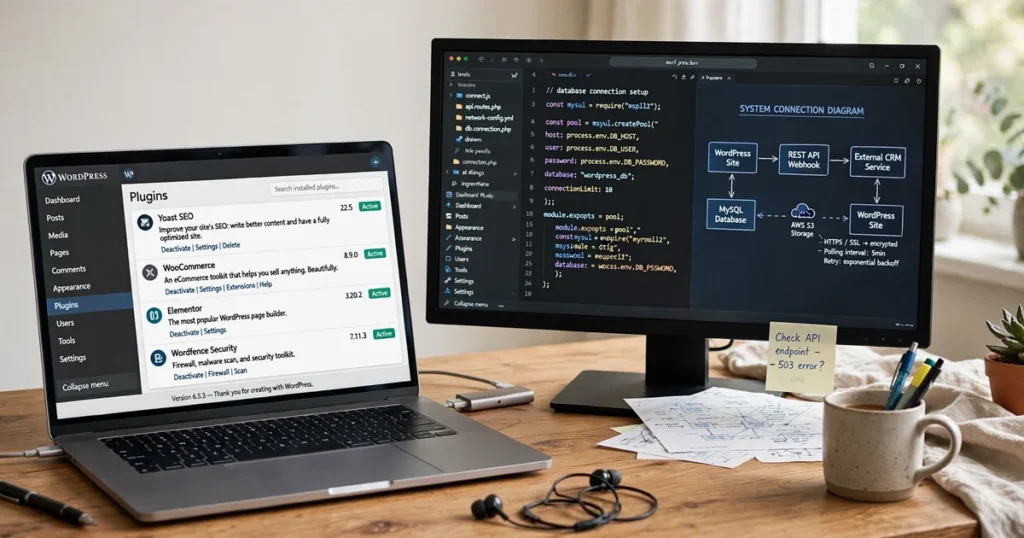
WordPress quietly shipped one of the more consequential infrastructure releases of the year on October 7, when the WordPress AI team published version 0.7.0 of the MCP Adapter as a canonical plugin in the WordPress plugin directory. The adapter translates WordPress abilities into the Model Context Protocol format, which allows AI assistants such as Claude and ChatGPT to discover and invoke site capabilities as tools, resources and prompts, and the directory listing means any site owner can now install that bridge from the admin dashboard instead of following a manual installation route through GitHub.
The adoption numbers explain why the project pushed for a canonical home. The adapter had already passed 40,000 active installations before the directory release, with many sites receiving the software through GitHub downloads or through other plugins bundling a copy, and that scattered distribution created exactly the fragmentation a canonical plugin exists to solve. A single maintained version in one trusted directory changes the practical picture in several ways at once:
- Developers gain a shared foundation to build on, instead of each plugin shipping and maintaining a separate copy of the same bridge.
- Site owners gain a normal update path through the dashboard, with the review and listing standards that the directory applies to every plugin it hosts.
- The wider ecosystem gains one implementation to document, test and secure, which concentrates scrutiny on the code that AI clients will actually connect to.
Understanding what the adapter actually does matters more than installing it quickly, because the design is deliberately narrow. WordPress sites register abilities through the Abilities API, and the adapter exposes those abilities to an AI client in a standard format while every call still passes the permission checks attached to the connected user account. The plugin ships a default MCP server architecture that other developers can extend with custom tools, resources and prompts, so a booking plugin, a store, or a membership system can each decide which abilities an assistant may use and which abilities stay firmly behind human control.
For SEO and AEO work, the significance sits one layer above the mechanics, in what assistants will soon be able to do on behalf of a visitor. An assistant that can read published content, check product information, or complete a permitted task through a standard protocol changes the relationship between a website and an AI answer, because the site stops being only a document to summarise and starts becoming a service an agent can act through. Sites with clean ability design, accurate product data and sensible permissions will be usable by agents, while sites that treat this as a curiosity will find assistants routing around them toward competitors that made the connection easy.
None of that argues for rushing an early release onto a production site, and a careful rollout plan looks like this:
- Test on a staging site first, since version 0.7.0 is early software and the permission model deserves hands-on verification before any assistant touches live content or store data.
- Connect AI tools through a limited user account rather than an administrator login, so the abilities an assistant can reach stay narrow and every action remains attributable.
- Keep current backups in place and read the plugin documentation as it evolves, because both the adapter and the clients connecting to it will change quickly over the coming months.
- Decide deliberately which abilities to expose, starting with read access to public content and product information, and treat any ability that changes data as a separate decision that needs a business case.
The wider direction connects to a shift I have tracked in pieces such as my look at Microsoft Clarity AI visibility, where measurement tools race to show brands what AI systems say and do with their content. Measurement showed brands the answer layer from the outside, while infrastructure like the MCP Adapter lets a site participate in that layer directly, and the two movements together describe where the next year of platform work will concentrate.
Failon’s POV: I see this release as WordPress doing what WordPress does at its best, turning a fragmented developer experiment into a standard that millions of ordinary sites can adopt through a familiar install button, and that standardisation is what will move agent readiness from conference talk into everyday practice. I will not be installing it on client production sites this week, because early infrastructure earns trust slowly and permissions around AI access deserve suspicion, but I will be testing it on staging now, since the sites that understand abilities early will be the sites assistants can actually use when buyers start asking agents to act rather than merely to answer.
Sources: Make WordPress AI, “The MCP Adapter plugin is now available on WordPress.org” (October 7, 2026), and The Repository coverage of the canonical plugin release (October 2026).