
Gemini Adds UTM Tags for Referral Tracking
For two years, one of the most frustrating questions in analytics has had no reliable answer. An AI assistant sends your site a real visitor, the referrer gets stripped somewhere in the in-app browser, and GA4 files the session under Direct next to everyone who typed the URL by hand. You knew the traffic was real. You could not prove it. This week that excuse got weaker.
Around September 30, a user in the r/SEO community noticed that Gemini had started adding UTM parameters to the links it hands out, the tracking tags marketers normally attach to their own links. Google’s John Mueller confirmed in the thread that he could see the tagging too, and Search Engine Journal ran the story on October 1. The observed value identifies Gemini as the source, and analytics platforms can now read it straight from the destination URL. This is the same behaviour ChatGPT already shows, so Gemini is following a precedent rather than inventing one.
Why does a small tracking tag matter this much? Because the referrer, the other way of identifying traffic, mostly survives on desktop web. Reported pass-through from the Gemini mobile app sits around nine percent, and Android assistant invocations strip the referrer entirely. A UTM tag survives the in-app webview where the referrer does not, and it shows up in raw server logs too. That closes a real measurement gap, especially since AI usage keeps shifting toward mobile and assistant surfaces where the old tracking never worked.
There are limits, and they matter:
- Google has published no documentation. Nobody outside the company knows when the tagging fires, which Gemini interfaces carry it, or how consistently it is applied. The behaviour is observed, not specified.
- ChatGPT’s version is narrower than it looks. Its tags appear on links in answers grounded from live web sources, not answers pulled from training data. Gemini may follow the same pattern, which means untagged AI traffic will keep arriving.
- A source tag does not tell you the story. The UTM identifies Gemini as the source, but it says nothing about the prompt, the surrounding answer, or why your page was selected. You get attribution, not intent.
Failon’s POV: I have been telling clients for over a year that their Direct bucket is a lie hiding real AI demand, and half the industry called it speculation. Now the source tags are appearing and the numbers will start showing up in GA4 whether you are ready or not. This changes the budget conversation completely. Once you can segment Gemini-referred users and see what they do on the site, AI visibility stops being a vibe and becomes a line item with a conversion rate. But do not mistake measurement for strategy. Knowing a visitor came from Gemini tells you where to count, not how to earn the citation. The work is still getting into the answers, which is a content and authority problem, and no amount of UTM tags will fix a site that never gets mentioned.
Here is how I would set this up this week:
- Build a GA4 exploration for the new source tags. Filter sessions by the Gemini source value and compare them against your organic search traffic on engagement rate, pages per session, and conversions. Let the numbers speak.
- Check your server logs alongside GA4. Raw logs will show UTM-tagged hits that the in-app webview carried through even when browser-side tracking wobbled. Correlate the two before you declare a number.
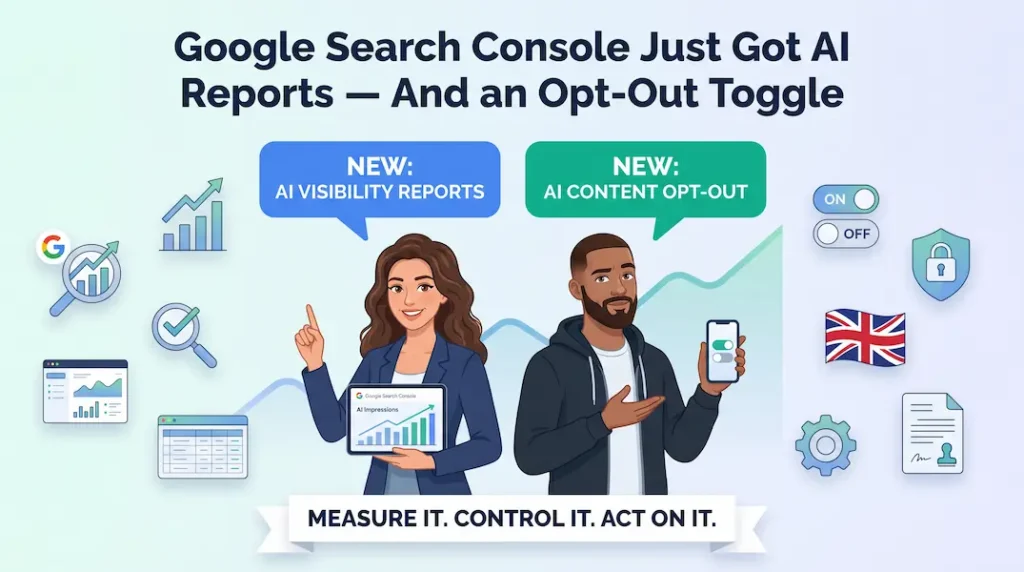
- Compare Gemini referrals with your AI traffic reports. Search Console’s generative AI performance report shows impressions and clicks from AI Overviews and AI Mode, and I covered its global rollout last month. The two datasets answer different questions: visibility versus visits.
- Track conversions, not just sessions. AI-referred visitors arrive with a specific question in mind, and early funnel data suggests they convert at a different rate than search visitors. Measure it before you dismiss the volume as small.
- Do not overhaul attribution models over this yet. The tagging is undocumented and possibly partial. Build the reporting now, make decisions once you have weeks of consistent data.
The pattern here is the one to watch. Every AI platform is going to add referral tracking eventually, because publishers are done being told their AI traffic is unmeasurable. Sites that build the measurement now will have months of baseline data when the floodgates open. Sites that wait will be guessing again. If you want help turning AI visibility from a guess into a tracked channel, an SEO audit is where I would start.