Nobody wakes up excited to think about website optimization. Site owners think about it the way homeowners think about the furnace: only when something goes wrong. But the sites that treat it as an afterthought are quietly paying for that neglect every single day, in traffic they never see and customers who leave before the page finishes loading. Here is why it deserves a permanent place on your priority list.
Why Is Website Optimization Important?
Start with the blunt reality of how buying works now. When someone needs a product or a service, they search. They compare. They read. The businesses that show up in those moments, loading fast and answering clearly, get the shortlist. The ones that don’t might as well be closed. Your website is not a brochure sitting on a shelf; it is a storefront on the busiest street in the world, and optimization is what keeps the lights on and the door easy to open.
That visibility has two layers now, and both punish neglect. The first is classic search. Google still decides which pages deserve attention, and it rewards sites that are fast, secure, well-structured, and genuinely useful. An unoptimized site leaks opportunity at every step:
- Pages Google can’t crawl
- Titles that don’t match what people type
- Content that answers the company’s talking points instead of the customer’s question
Each leak is small on its own. Together, they are the difference between page one and page nowhere.
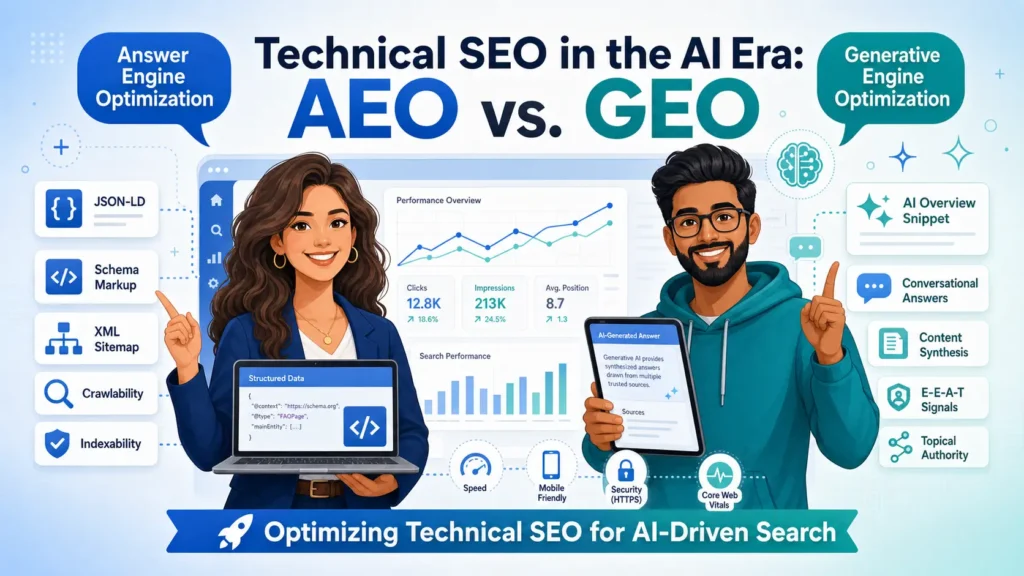
The second layer is newer and growing fast. ChatGPT, Perplexity, Gemini, Claude, Copilot, and Google’s AI Overviews and AI Mode now answer questions directly, citing a small set of sources. If your site is not structured so these systems can understand and trust it, you are invisible in an entire channel of discovery that did not exist a few years ago. This is where answer engine optimization earns its place alongside traditional SEO: being cited by AI systems requires the same fundamentals, clear structure, factual depth, and quotable content, taken seriously rather than bolted on.
Then there is trust, which is harder to measure and impossible to fake. Visitors judge a site in seconds, and the judgment is brutal. Slow pages, broken layouts on mobile, and stale content all whisper the same thing: this business does not sweat the details. A well-optimized site does the opposite. It signals competence before a single word is read, and that signal carries straight through to conversion. I have never seen a business regret being fast, clear, and reliable online. I have seen plenty regret the years they spent being none of those things.
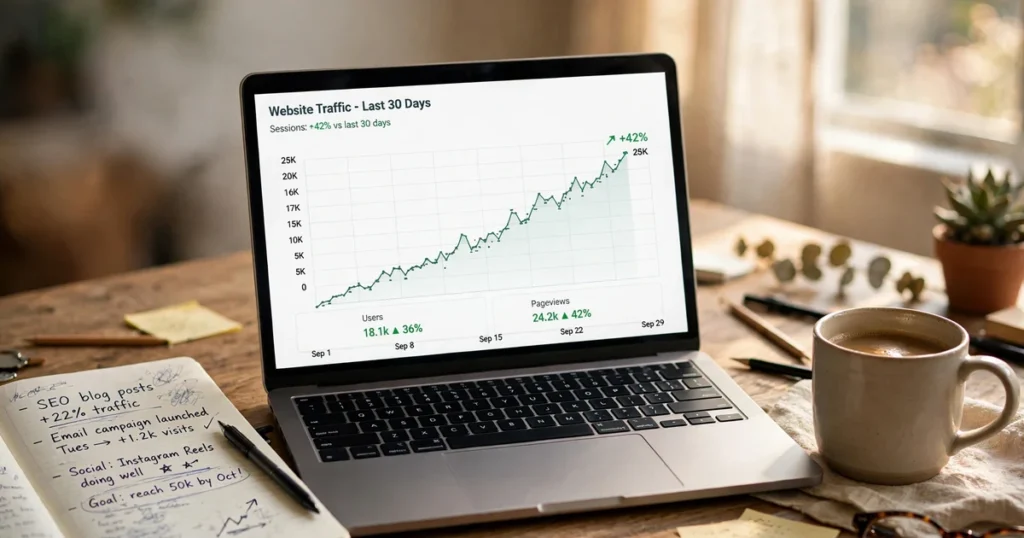
Finally, there is the compounding effect, which is the real reason optimization beats most other marketing spend. Paid ads stop the moment you stop paying. Optimized pages keep working:
- Every fix to technical SEO
- Every content improvement
- Every second shaved off load time
They stack on the last one. It is slow at first, which is why impatient teams quit, and then it becomes the cheapest growth lever a business owns.
Why Website Speed Optimization Is Important
Speed deserves its own section because it gates everything else. It does not matter how persuasive your copy is if the visitor leaves before it renders. Page speed is one of the few things that is simultaneously a ranking factor, a user experience issue, and a conversion lever, which makes it the highest-leverage work most sites are ignoring.
Google has been explicit about this for years. Its Core Web Vitals measure loading, interactivity, and visual stability, and they feed directly into how pages are evaluated. But the algorithm is only half the story. Human patience is the other half, and it keeps shrinking, especially on mobile, where most browsing now happens and where connections are least forgiving. A page that feels instant earns trust. A page that stutters spends its first impression apologizing.
The business case writes itself once you think in terms of friction. Every extra second of load time is a tax on every visitor, paid in attention they will not get back. Checkout pages, quote forms, and booking flows are where the tax hurts most, because intent is highest there and abandonment is one slow spinner away. Speed work is rarely glamorous:
- Compressing images
- Deferring scripts
- Cleaning up third-party tags
- Fixing render-blocking resources
A thorough site audit usually surfaces the full list in an afternoon. The unglamorous part is also the point. Nobody applauds a fast site. They just stay, read, and buy, which is better.
Speed also compounds with everything else on this page:
- Fast pages get crawled more thoroughly, which helps discoverability.
- Fast pages keep mobile visitors engaged, which helps the metrics Google watches.
- Fast pages make every other optimization more effective, because none of your persuasion matters if the audience has already left.
If you only fix one thing this quarter, fix the speed. It is the rare improvement with no downside.
The throughline across all of this is simple. Website optimization is important because your website is where your marketing goes to convert or die. In 2026, that means being fast enough to keep humans, structured enough for search engines, and clear enough to be cited by AI systems. The businesses that treat that as ongoing work pull away a little more every quarter. The ones that don’t, don’t.